Remember the golden days of gaming?
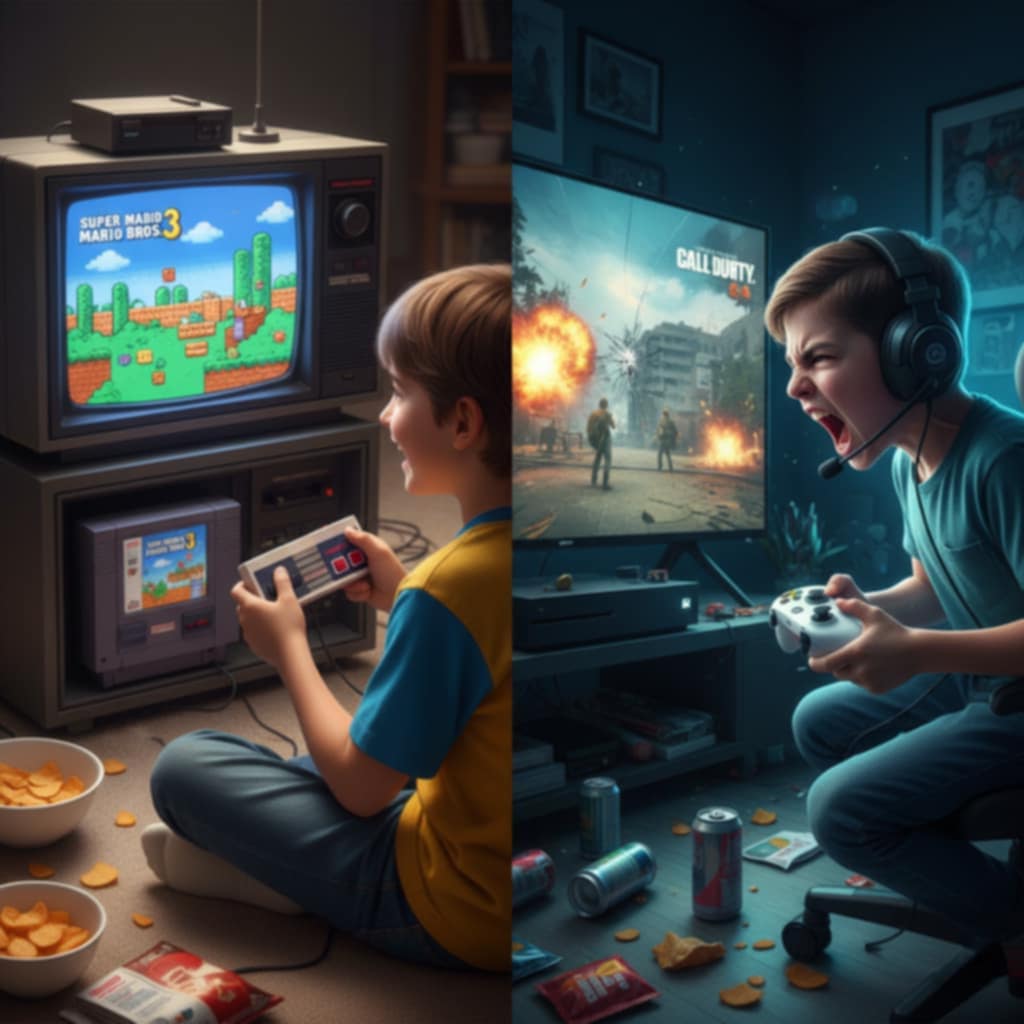
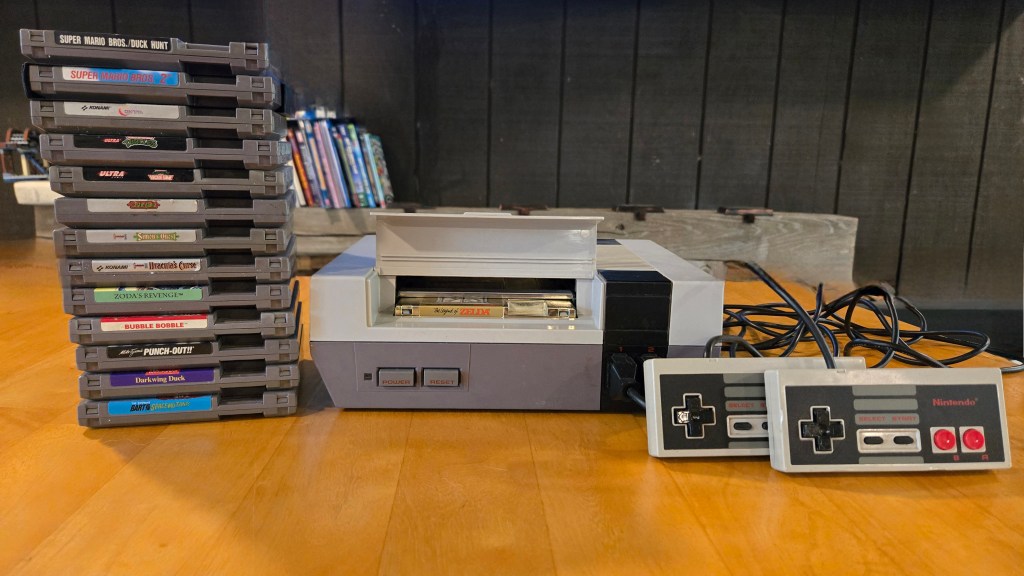
If you don’t, sadly you will probably never know how good gaming really was… Popping a cartridge into your NES with light flashing, then pulling it back out and blowing in it, then putting it back in and go time, gathering friends around a clunky tube TV for split-screen battles, or losing hours to intricate worlds in games like OG Final Fantasy, Dragon Warrior or Classic gold cart The Legend of Zelda. Back then, video games were an adventure, a test of skill, patience, and imagination.
Fast-forward to 2025, and what do we have? A landscape dominated by repetitive reskins, shallow experiences, mass DLC / Microtransactions, and toxic online interactions that suck the joy right out of it. As a lifelong gamer who’s seen the evolution from pixelated pioneers to hyper-realistic flops, gaming in the modern era has turned gaming into a boring, soulless, mindless grind. Let’s break down why it’s lost its spark.
First off, the repetition is exhausting. Publishers churn out annual sequels that feel like lazy copy-pastes of last year’s “hit”, with just enough cosmetic tweaks to justify the $80 price tag. Take sports franchises like the “LIVE” series or “Madden” every year, it’s the same core gameplay wrapped in updated rosters and marginally if any better graphics. Or battle royales like “Fortnite” and its endless clones: drop in, loot, shoot, repeat. Where’s the innovation? Developers seem terrified of risks, opting instead for “safe” formulas that prioritize microtransactions over meaningful content. Remember when games like “Half-Life” or “Portal” blew our minds with fresh mechanics and storytelling? Now, it’s all about live-service models that drag on forever, patching in “new” features that should’ve been there from day one. It’s like eating the same fast-food burger every week – familiar, but ultimately unsatisfying and bad for your love handles and ever widening mid section…
Storylines? What storylines? Modern games often treat narrative as an afterthought, rushing through weak plots or skipping them altogether in favor of multiplayer mayhem. Back in the day, you’d pore over instruction manuals and in-game lore, piecing together epic tales that demanded your attention. Games like “Chrono Trigger” or “Metal Gear Solid” wove intricate webs of character development, twists, and emotional depth that stuck with you long after the credits rolled. Look at “Final Fantasy VII”! Do you think there is a reason they rebooted that story in a multi part video game. Its not because the story was boring and weak… Today, many titles opt for cinematic cutscenes that you can skip, or worse, voice everything aloud so you don’t have to read a single line. Accessibility is great, but when games dumb down to “super easy mode” where AI hand-holds you through every challenge, beating the boss feels hollow. No more grinding levels or solving puzzles that required real brainpower, just autopilot to the end and pat yourself on the back. It’s like reading a book where the pages turn themselves and the plot is summarized in bullet points. Where’s the immersion? The satisfaction of earning your victory?
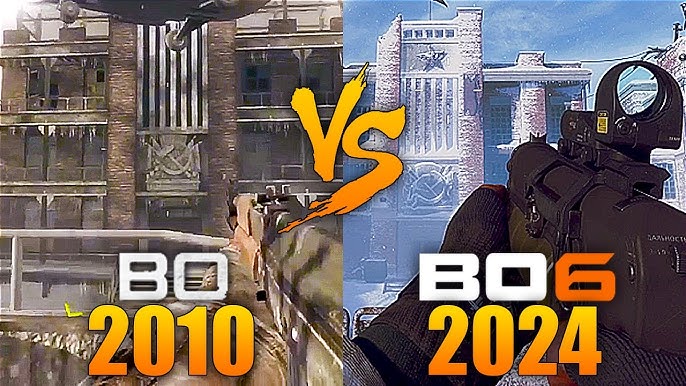
Then there’s the multiplayer mess, which has devolved into a battlefield of keyboard warriors hiding behind screens. In the ’80s and ’90s, gaming was social in the best way: face-to-face showdowns on “Street Fighter” at the arcade or “GoldenEye” on the couch. You’d trash-talk your buddy, but it was all in good fun because you could see their grin or hear their laugh. Stakes were real – lose, and you’d face the immediate ribbing, but it built camaraderie. Now? Online lobbies are anonymous war zones where players spew the most vile, unchecked hatred without a second thought. Racial slurs, threats, harassment…? It’s rampant because there’s zero accountability. “What are they gonna do?” the trolls think. Ban one account? Just create another in seconds. Platforms like Xbox Live or PlayStation Network try to moderate, but it’s a losing battle against the faceless horde. I’ve jumped into a “Call of Duty” match only to mute everyone within minutes, turning what could be a thrilling team effort into a silent, isolating slog. The human connection is gone, replaced by echo chambers of rage that leave you more frustrated than entertained.
Don’t get me wrong, there are bright spots. Indie gems like “Hades”, “Celeste”, or “Demon Souls” still deliver tight gameplay and heartfelt stories, proving not all is lost. VR and augmented reality hint at exciting futures, and communities around retro revivals keep the old-school spirit alive. But the mainstream? It’s dominated by corporate greed and the mindless drones that consume, pushing loot boxes, season passes, social media “influencers”, and pay-to-win schemes that make gaming feel like a job rather than an escape. Kids today might not know better, growing up with mobile games that train them for instant gratification, but veterans like me mourn the depth we once had.
So, why does it matter? Gaming used to inspire creativity, foster friendships, and challenge us to grow. Now, it’s often a repetitive loop designed to extract time and money, leaving players bored or burned out. If developers slowed down, invested in original ideas, and cracked down on toxicity, we could recapture that magic. Until then, I’ll dust off my old NES for a dose of nostalgia, because sometimes, the best way to beat the boredom is to revisit where the fun began. If you’re feeling the same fatigue, maybe it’s time to log off and rediscover why we fell in love with games in the first place.



 Homeschool Dad
Leave a comment